

Unmasking STEM neutrality: why queer identities matter in science education
By Anneke Steegh & Chiara Holzhäuser
Leibniz Institute for Science and Mathematics Education (IPN), Germany
STEM subjects (science, technology, engineering and mathematics) are often seen as the most “neutral” parts of education: objective, factual, uninfluenced by human identity. But researchers Anneke Steegh and Chiara Holzhäuser argue the opposite. Their work bases on the idea that this perceived neutrality can hide powerful norms that disadvantage queer, trans and non-binary students. At the heart of their project, Unmasking STEM Neutrality, lies a simple but transformative question: Who is STEM really designed for?
STEM as “neutral”: a myth with consequences
The belief that STEM is identity-free creates a blind spot, says Anneke. “STEM serves people. What we call neutral is heteronormativity by default.” In STEM classrooms, examples and scenarios often assume traditional family structures or binary genders. This may seem harmless, but it reinforces the message that only certain identities “belong” in science. Drawing on Queer Theory, Anneke and Chiara highlight that queerness is not only about sexual identity but equally about gender identity, including trans and non-binary experiences.
‘’When gender is ignored, queerness is reduced to something purely about sexual identity, still perpetuating those very binaries that it seeks to challenge for inclusive education.’’
What the researchers wanted to understand
To explore these dynamics, Anneke and Chiara conducted an exploratory study with eight pre-service STEM teachers in Germany. Their goal: to assess the teachers’ queer literacy their knowledge, attitudes, and awareness around queer identities. “We wanted to know what future STEM teachers understand about queerness, and whether they see it as relevant in their subject,” says Chiara.
Findings: good intentions, limited understanding
The teachers generally expressed open attitudes, but their understanding of queerness was often narrow. Many confused gender identity with sexual orientation, relied on informal sources (friends, media) rather than professional training, and believed queer inclusion belonged in other subjects, not STEM.
Anneke explains the impact: “If teachers assume STEM has nothing to do with identity, they overlook their own role in making queer students feel seen.” This viewpoint also led teachers to take a reactive rather than proactive stance. “Most said they would intervene if bullying occurred,” Chiara says. “But very few thought about what they could do in advance to create inclusive classrooms.”
From reaction to proactive inclusion
The researchers share a few simple, concrete changes teachers can make:
- using examples with diverse families and identities,
- avoiding “boys vs. girls” groupings,
- displaying visible signs of support (e.g., a pride sticker),
- asking for pronouns,
- choosing inclusive language.
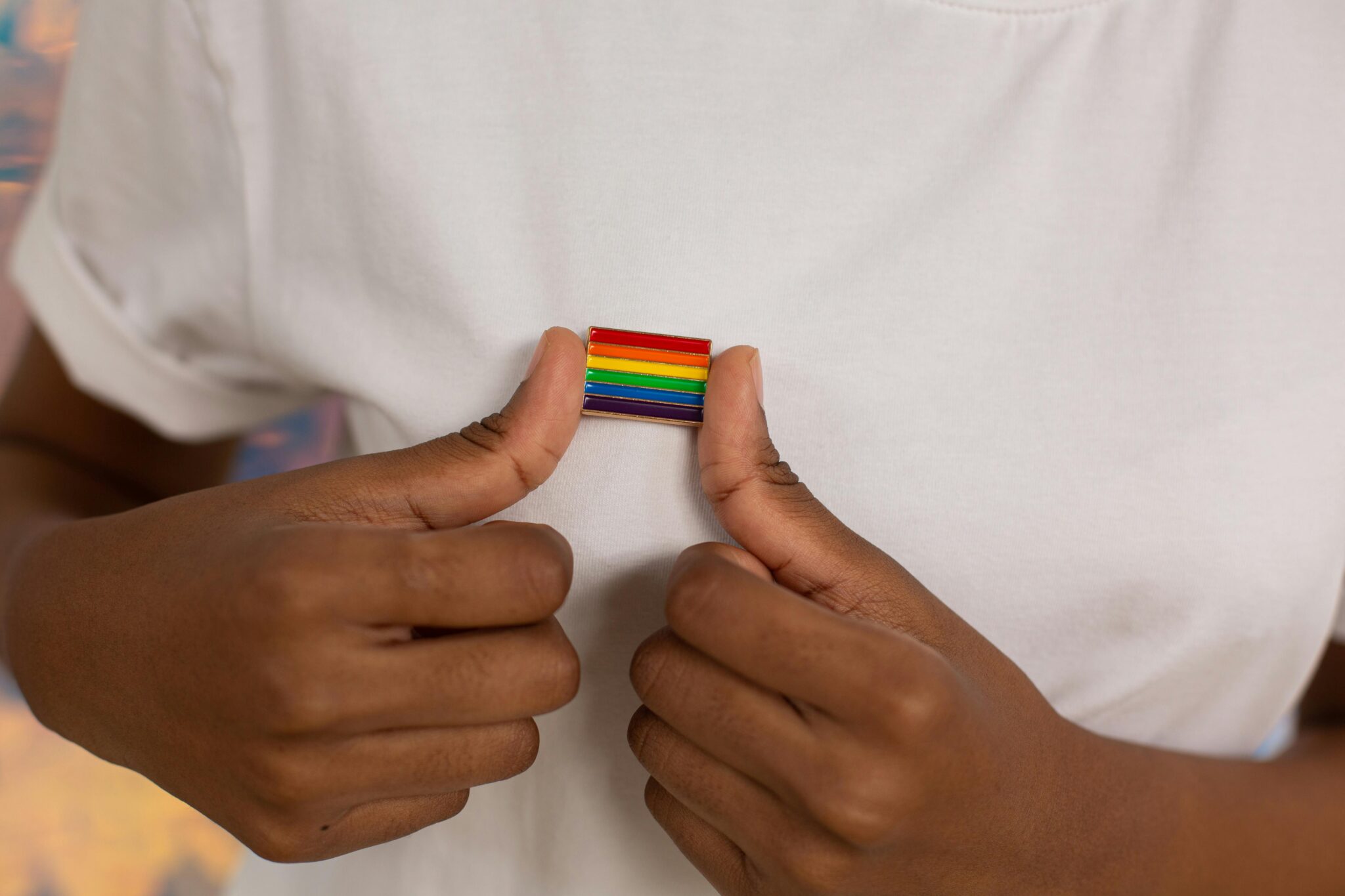
Even small gestures signal safety. “A rainbow pin, sticker, or key chain can be the difference between fear and trust for a queer student,” Chiara explains.
Why this research matters
For Anneke, the work is deeply connected to educational justice. “Equal opportunities aren’t truly equal unless every identity is recognised. This is about creating systems where all students can thrive.” Both researchers stress that this is a collective effort: “Men are not the enemy,” Anneke adds and emphasizes the need for education on gender and sexuality norms for all. “We need everyone to help change the system. Knowledge is power.”
Looking ahead: gender and STEM conference 2026
Anneke and Chiara hope to present their findings at the Gender and STEM Conference 2026, aiming to spark discussion and inspire action. “Queerness belongs in every subject,” says Chiara. “Only when all identities are visible can education truly be equitable.”
Network Gender & STEM Conference 2026
The Network Gender & STEM Conference 2026, themed “Gender, diversity, and contextual influences throughout the STEM pipeline,” will take place from July 9 to 11, 2026, at the University of Salzburg in Austria, with the call for abstracts open from June 30 to October 31, 2025.
Do you want to share your research?

Neem dan contact op met Joske Jansen
Meld je aan voor de VHTO-nieuwsbrief
Ontvang inzichten en updates over meer vrouwen in techniek en IT.
Lees verder
Girls’ Day 2027
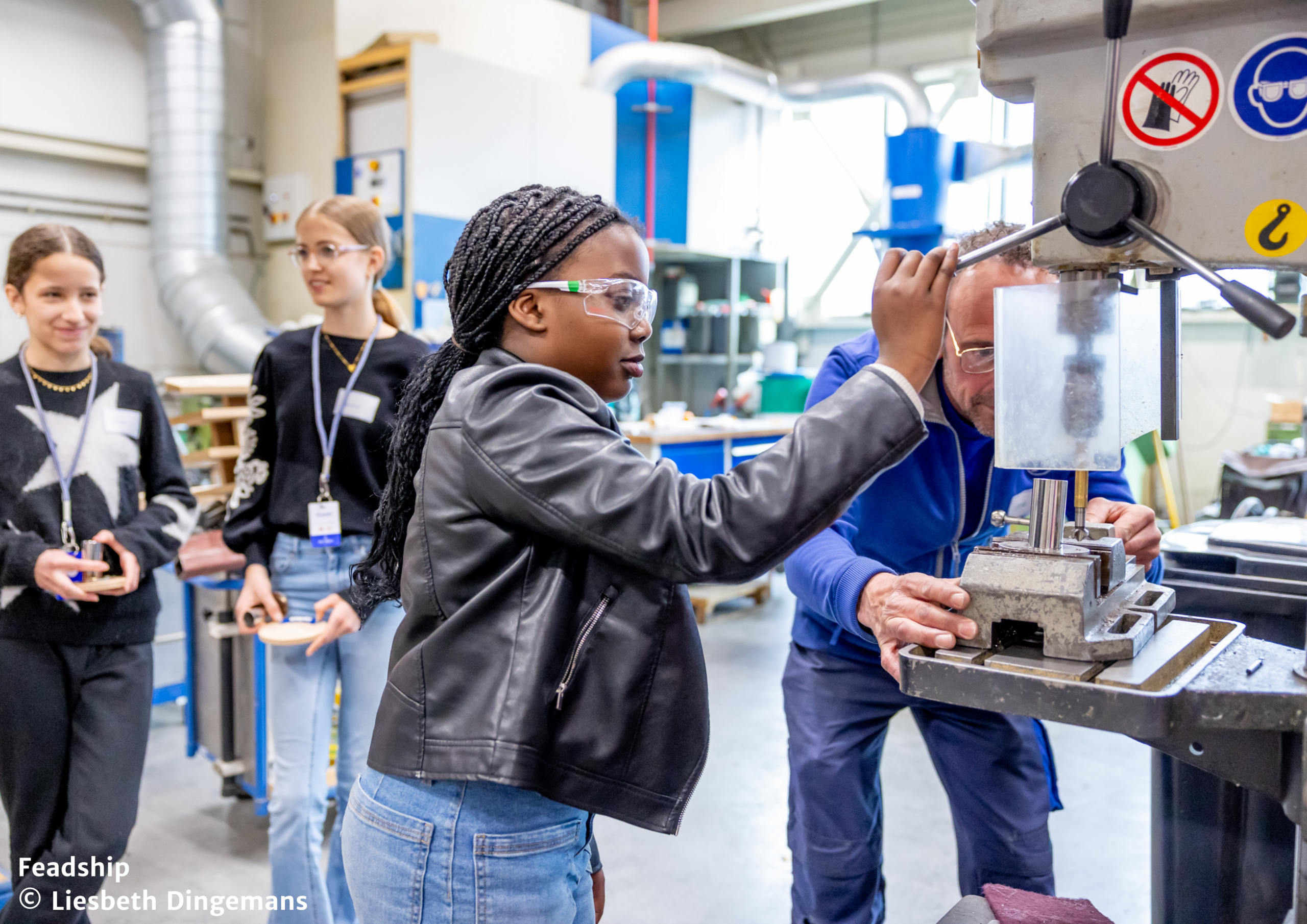
Tijdens Girls’ Day openen technische bedrijven hun deuren om meiden van 10 tot 15 jaar kennis te laten maken met techniek en IT.
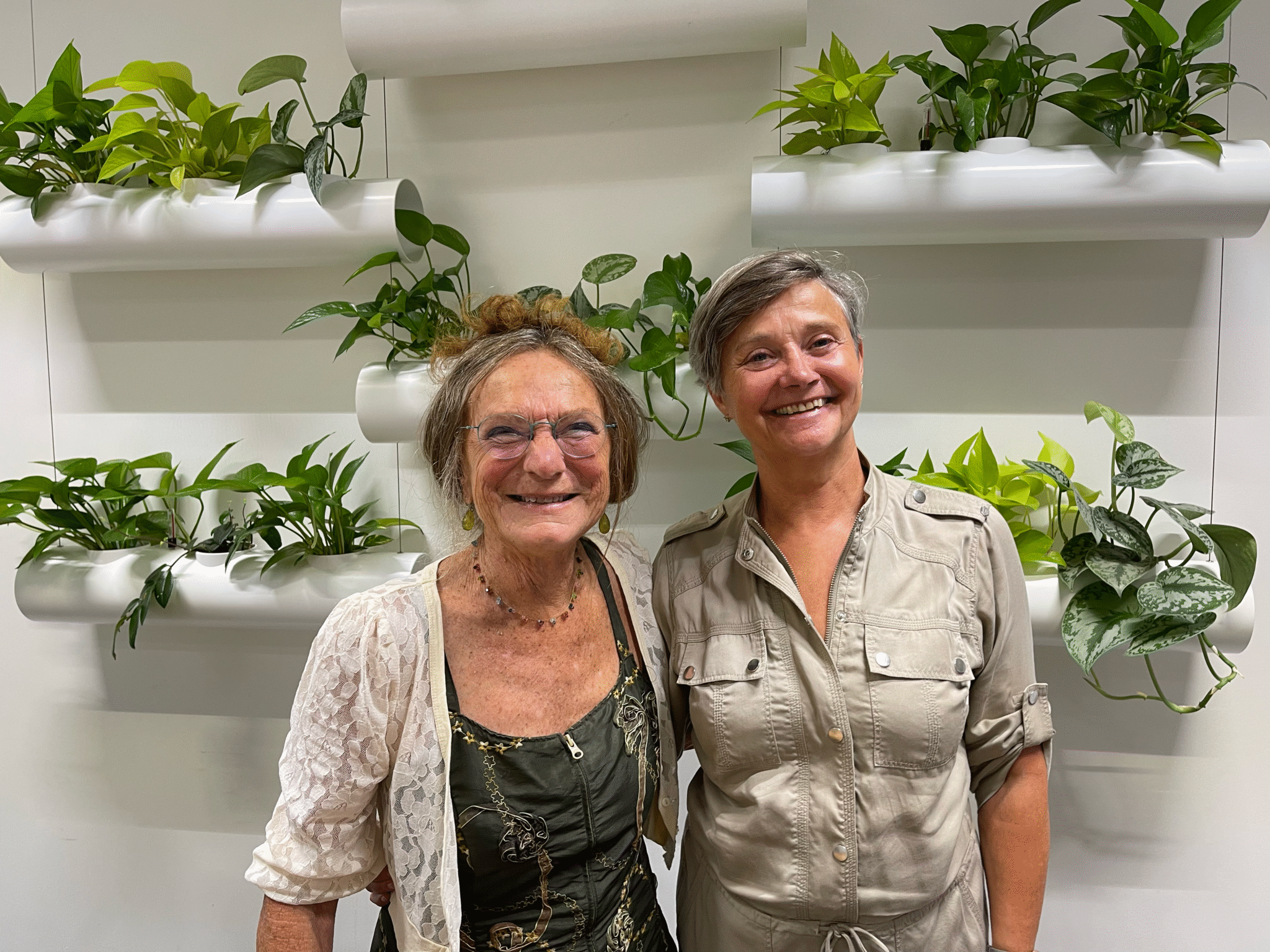
“We wilden laten zien: meiden horen óók in de techniek”
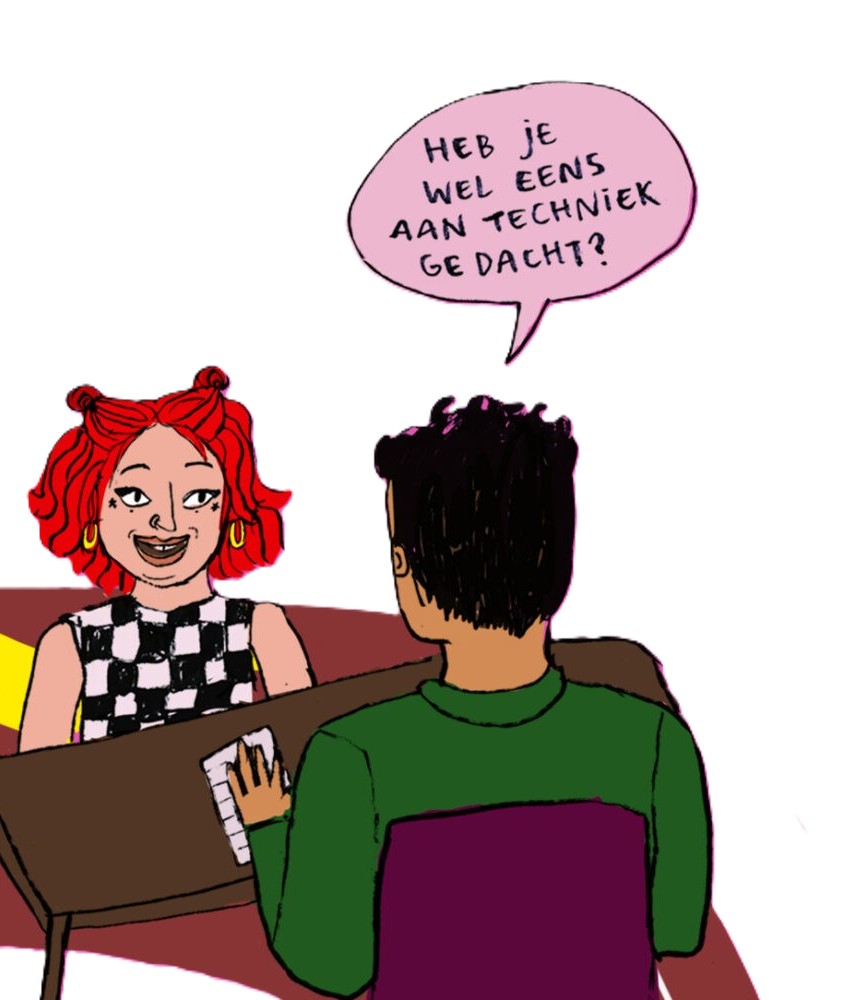
Kiezen zonder hokjes
Download de publicatie en lees meer over deze principes en hoe jij hiermee aan de slag kunt in LOB.

Boekentips over techniek voor de Kinderboekenweek
Kinderen vormen hun beeld van wie waar “thuishoort” al vroeg, vaak via de verhalen die ze lezen. Als een meid in een boek nooit een vrouw tegenkomt die iets bouwt, ontwerpt of uitvindt, leert ze onbewust: dit is niet voor mij.
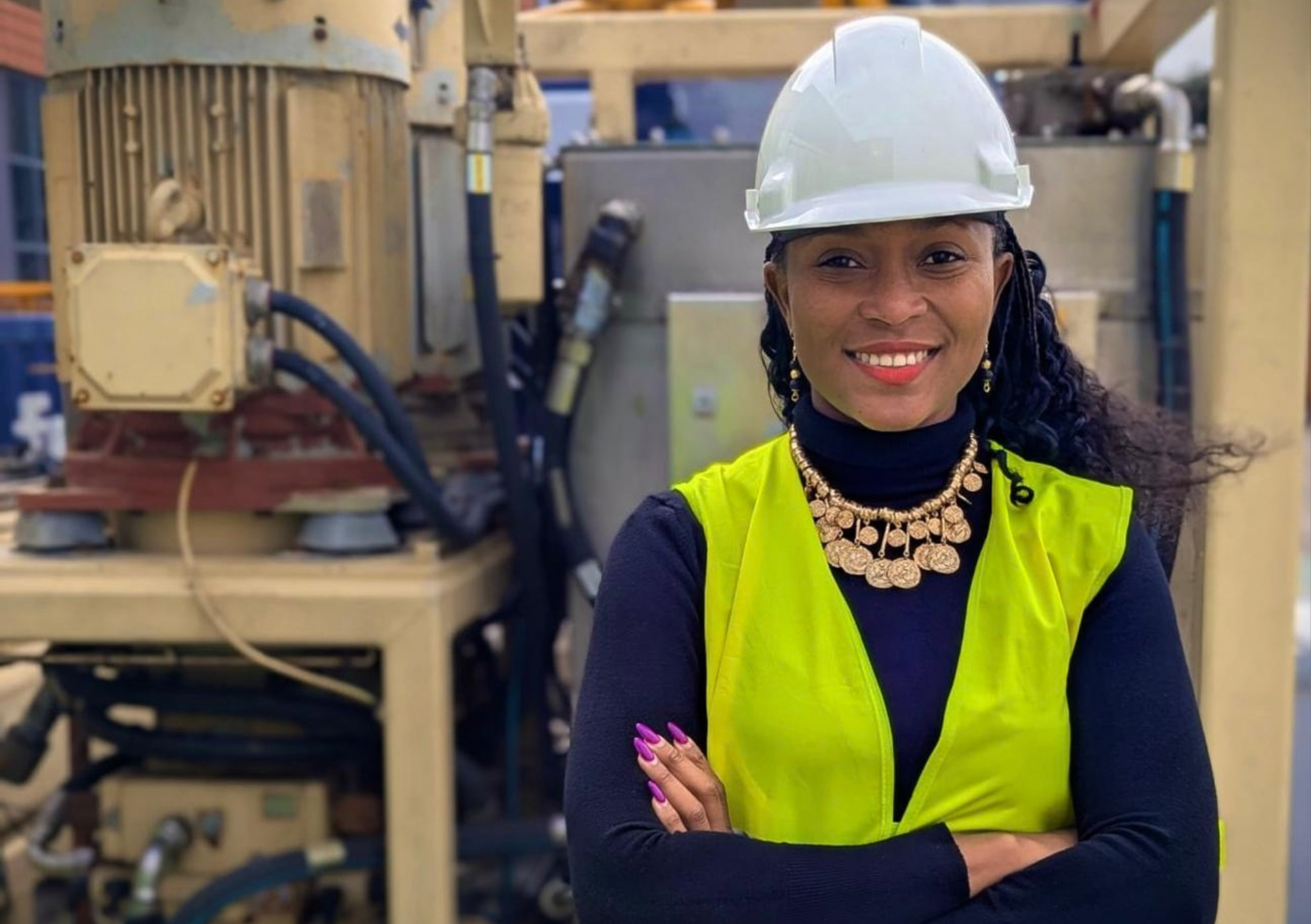
Rolmodel in de spotlight – Elizabeth Adelore
In de nieuwste editie van Rolmodel in de Spotlight vertelt Elizabeth openhartig over haar weg naar de techniek, de vooroordelen die ze onderweg tegenkwam en waarom zichtbare rolmodellen zoveel verschil kunnen maken.

Nieuw aanbod: workshop over self-efficacy in techniek
De nieuwe workshop “Ik kan dit! – Met vertrouwen leren in techniek” laat zien hoe docenten het vertrouwen in eigen kunnen van leerlingen kunnen versterken in techniek en technologie.
Welke hordes komen vrouwen tegen op hun weg naar techniek en IT?

Waarom Thomas wel techniek mag kiezen en Anouk niet
Waarom krijgen sommige leerlingen wél en anderen niet het advies om voor techniek te kiezen? Dit artikel laat zien hoe stereotypen in LOB en profielkeuze de kansen van vo-leerlingen beïnvloeden – vaak zonder dat iemand het doorheeft.